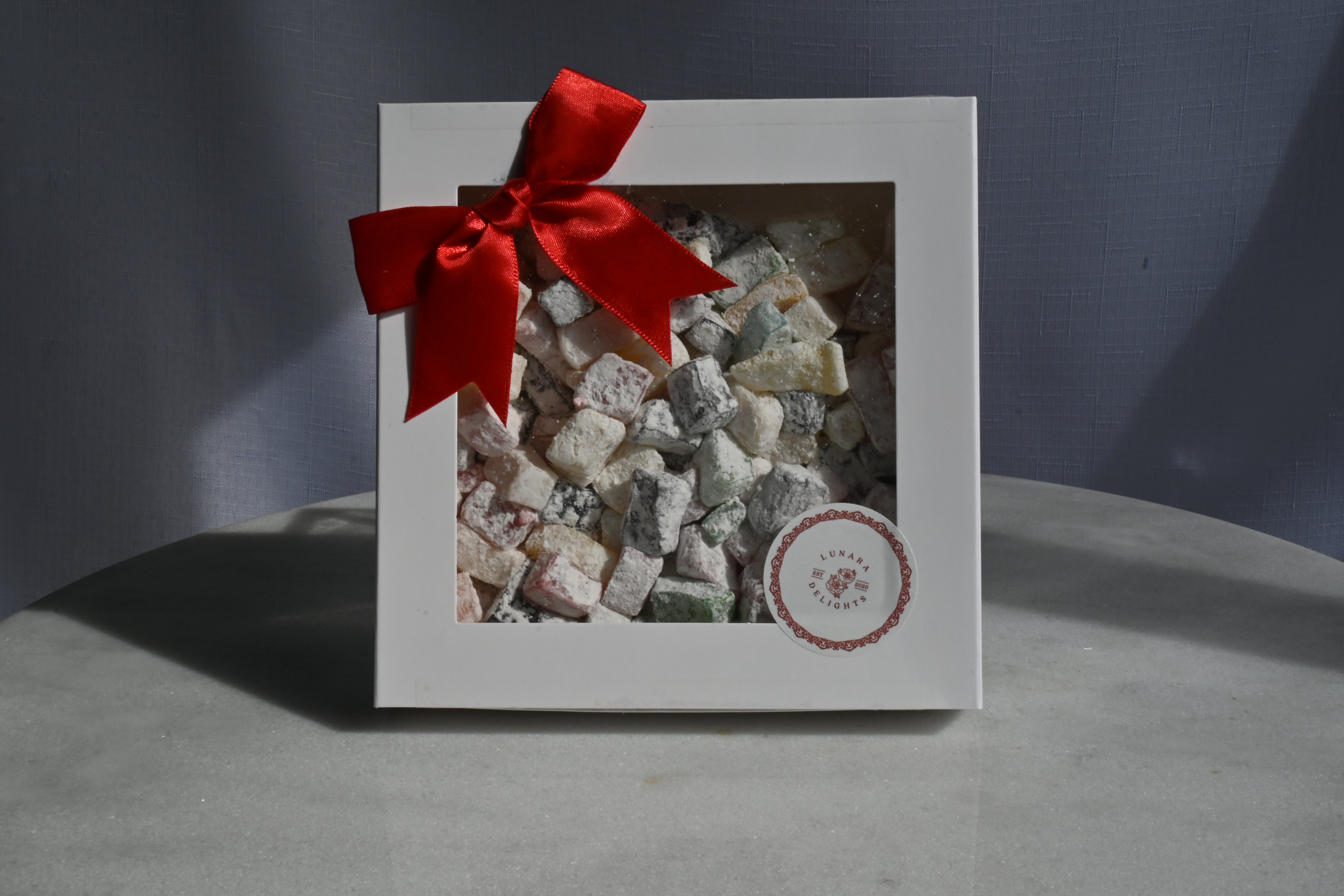
The Art of Turkish Delight: How It’s Made and Why It’s So Special
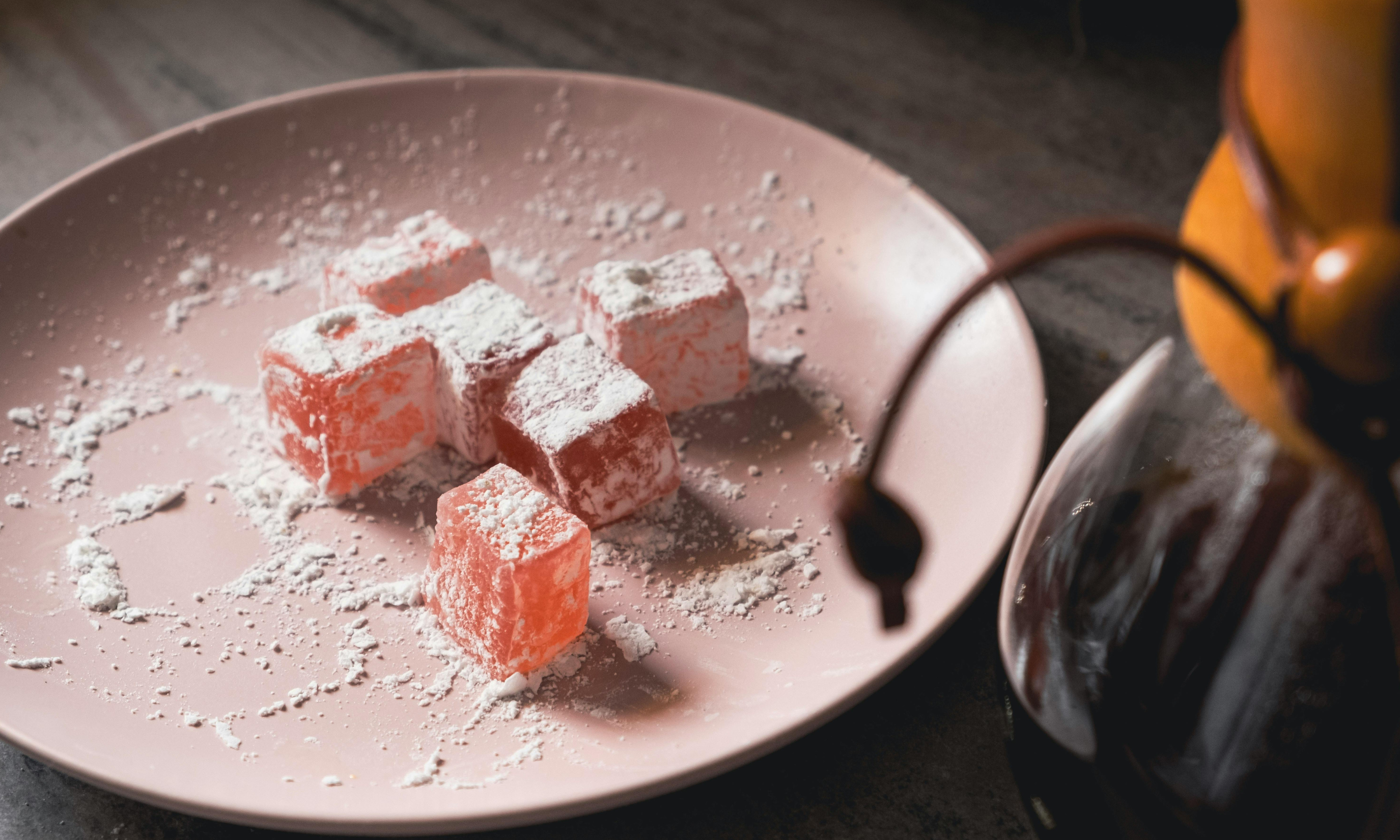
Soft, delicate, and dusted with a light cloud of sugar, Turkish delight is one of those sweets that feels almost magical. But behind every perfect cube is a careful balance of ingredients, timing, and tradition. In this article, we’ll take you behind the scenes into the world of lokum, the classic Turkish delight, and explore how it’s made and why it holds such a special place in people’s hearts.
What Is Turkish Delight (Lokum)?

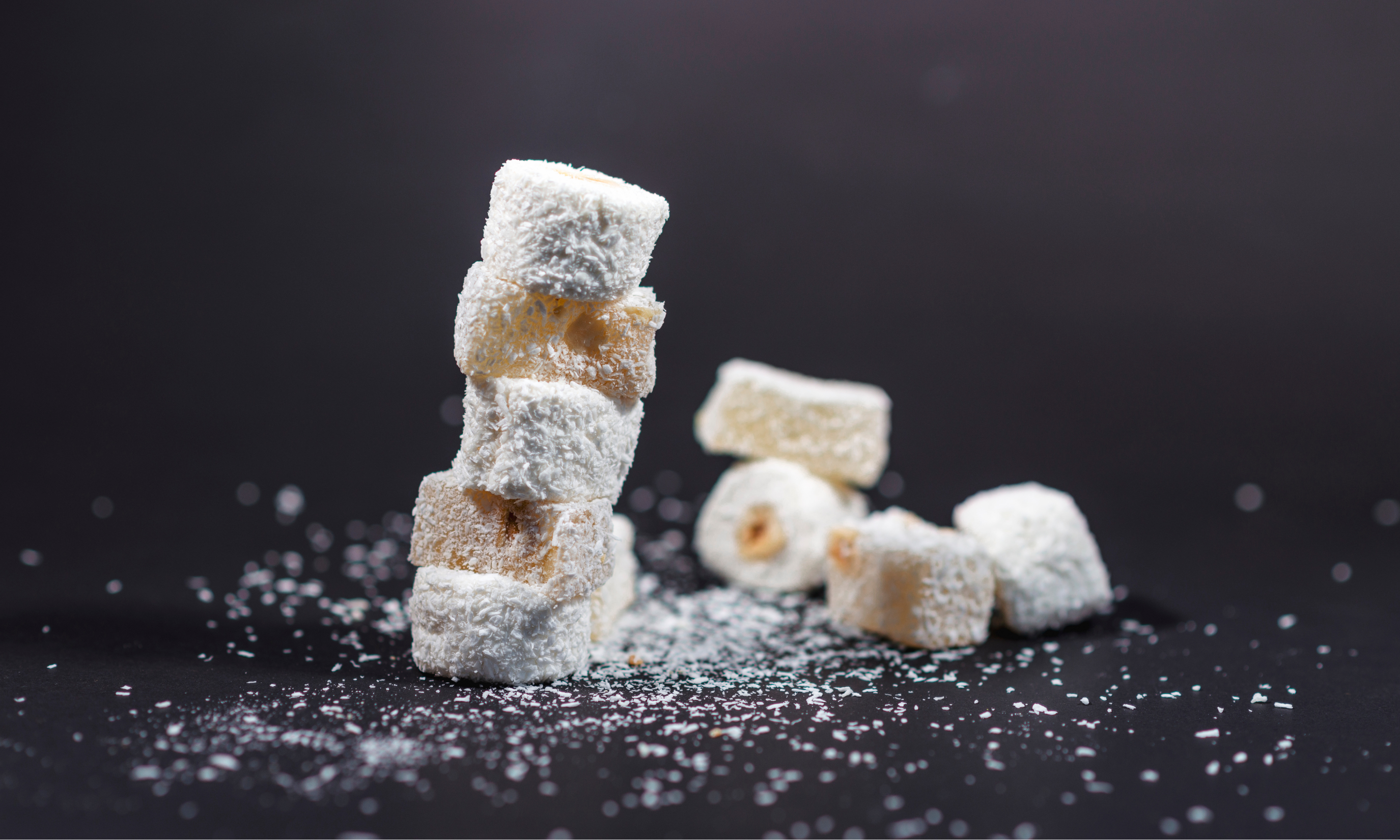
Turkish delight, known as lokum in Turkish, is a traditional confection made from a slow-cooked mixture of sugar, starch, and water, transformed into a soft, chewy jelly. Unlike many modern candies, it doesn’t rely on artificial gels or heavy additives. The charm of lokum Turkish sweets lies in their simplicity and the skill of the maker.
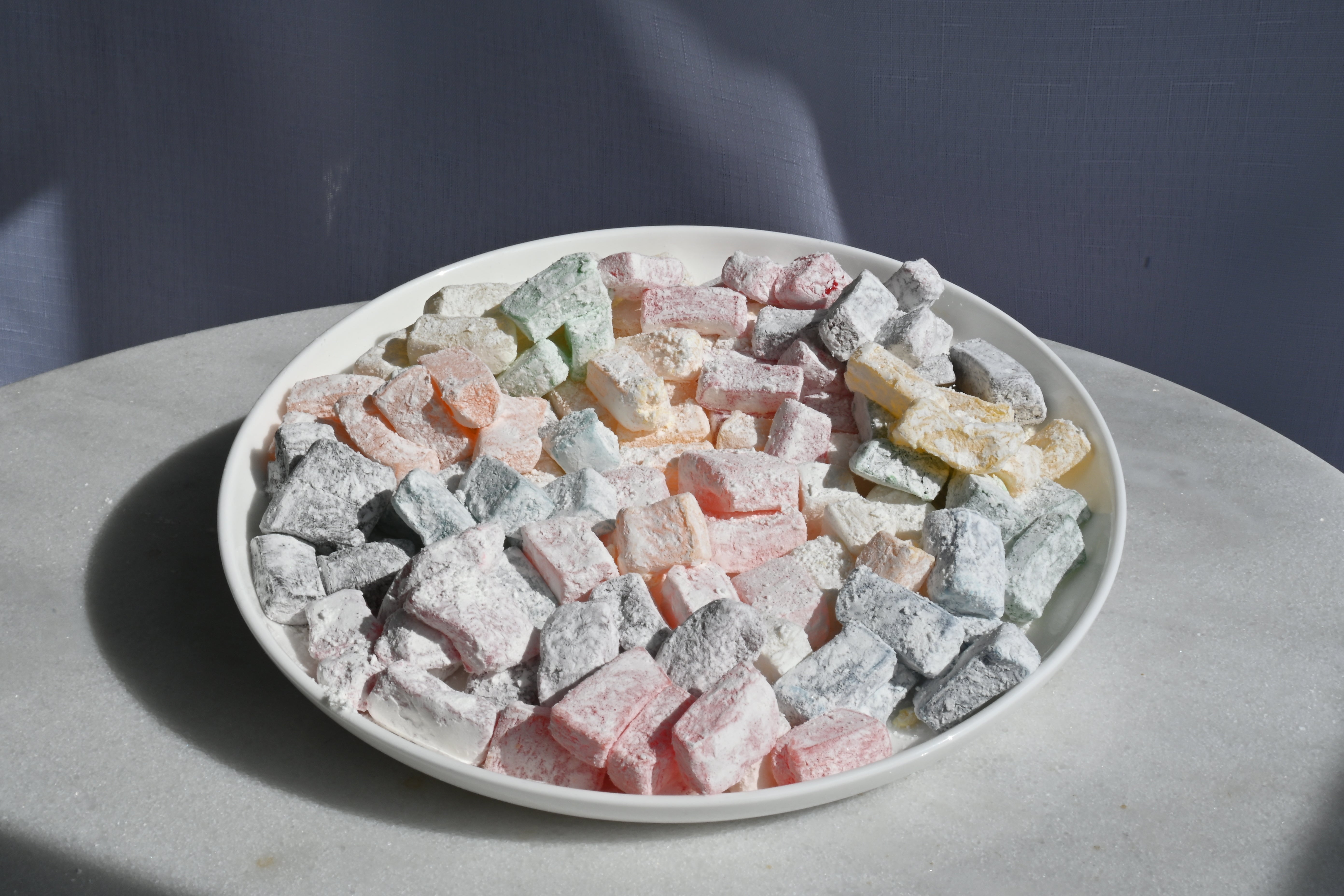
Over time, Turkish delight has evolved far beyond a single flavour. From classic rose and lemon to pistachio, hazelnut, and more creative combinations, each piece is a tiny expression of craftsmanship and flavour. Whether served alongside coffee, given as a gift, or enjoyed as a quiet treat at home, it’s a sweet that carries both history and emotion.
What Is Turkish Delight Made Of?
One of the most common questions people ask is: What is Turkish delight made of? Despite its luxurious taste and texture, the base of traditional Turkish delight is surprisingly simple:
-
Sugar
-
Water
-
Starch (often corn or wheat starch)
-
flavourings (such as rose, lemon, mastic, or vanilla)
-
Nuts (like pistachios, walnuts, or hazelnuts) – depending on the variety
- Powdered sugar (or a mix of sugar and starch) for coating

When people search for Turkish delight ingredients or ask what is inside Turkish delight, they’re often surprised by how few elements are involved. The real difference comes from the cooking method, the quality of ingredients, and the patience of the confectioner.
Inside the Kitchen: How Traditional Turkish Delight Is Made
While there are many versions of a Turkish delight recipe online, making truly authentic lokum is more of an art than a simple set of steps. A home baker might follow a traditional Turkish delight recipe, but professional confectioners repeat and refine the process daily to achieve consistency, texture, and flavour.
1. Creating the Base
The process begins by gently heating sugar and water until the sugar dissolves completely. Separately, starch is mixed with water to create a smooth slurry. This starch mixture is then carefully combined with the hot sugar syrup and cooked over low to medium heat.
This stage demands patience. The mixture needs to be stirred regularly to prevent sticking or burning, slowly transforming from thin and cloudy to thick, glossy, and elastic. This is where the foundation of traditional Turkish delight is built – a smooth, stable jelly that will hold its shape once cooled.
2. Adding Flavour and Texture
Once the base is cooked to the right consistency, it’s time to add character. Natural flavours such as rosewater, citrus, or other aromatics are gently folded in. For nut varieties, roasted pistachios, hazelnuts, or walnuts are added at this stage and distributed evenly through the mixture.
This is the moment where the confectioner’s style truly shows. Do they prefer a more delicate rose note? A bright lemon profile? A generous handful of premium nuts? These decisions are what transform a simple lokum Turkish base into a signature speciality.
3. Resting, Cutting, and Coating
The hot mixture is poured into shallow trays and left to set. This resting period allows the jelly to firm up without losing its softness. Once set, the large slab is carefully turned out and cut into neat cubes by hand or with sharp tools.
Each piece is then rolled in a fine coating of powdered sugar or a blend of sugar and starch. This coating keeps the pieces from sticking together and gives that iconic “snowy” finish that people associate with well-made Turkish delight.
What’s Inside Turkish Delight? Flavours, Fillings, and Variations
If you’ve ever wondered what is inside Turkish delight beyond the base jelly, the answer depends on the flavour profile:
-
Classic rose – lightly perfumed, soft pink, often without nuts.
-
Lemon or citrus – bright, refreshing, and slightly tangy.
-
Pistachio delight – vibrant green nuts scattered through the jelly for texture and richness.
-
Mixed nut varieties – a combination of pistachio, hazelnut, and walnut for extra crunch.
- Modern flavours – chocolate, pomegranate, and other creative twists that build on the original lokum tradition.

Each piece may look simple from the outside, but every bite reflects a choice: which nuts to use, how strong the flavour should be, and how soft or firm the final texture will feel on the palate.
Can You Make Turkish Delight at Home?
Many people are tempted to make Turkish delight themselves after tasting a truly great piece. Searching for a Turkish candy recipe or a lokum Turkish delight recipe online will bring up plenty of options, and for some, it can be a fun kitchen project.
However, there’s a reason professionally made lokum has that unmistakable, luxurious bite. The timing, temperature control, and choice of ingredients are the result of experience – often passed from one generation of confectioners to the next. So while a home-style Turkish delight recipe can give you a glimpse into the process, authentic texture and flavour are where artisans truly stand apart.
Why Turkish Delight Is So Special
A Sweet with History and Emotion
Turkish delight is more than just a dessert; it’s a part of cultural memory. For many, it reminds them of family visits, holidays, or gifts brought back from travels. Because traditional Turkish delight has been enjoyed for centuries, it carries a sense of continuity – a connection between past and present.
It’s also a deeply social sweet. A small plate of lokum is often shared with guests, served with tea or coffee, or used as a thoughtful gift to show appreciation. This emotional and cultural layer is a big part of why Turkish delight feels so special compared to ordinary, mass-produced sweets.
Texture, Flavour, and Craftsmanship
Another reason people fall in love with Turkish delight is the balance it strikes: soft yet structured, sweet but not overwhelming, with flavours that can be delicate or boldly nutty. That balance doesn’t happen by accident – it’s the result of precise measuring, careful cooking, and a commitment to quality Turkish delight ingredients.
From the moment the sugar and starch hit the saucepan to the final dusting of sugar, every step contributes to the final experience. It’s this level of craftsmanship that turns a simple list of ingredients into something truly memorable.
Experiencing Turkish Delight the Lunara Way

At Lunara Delight, we’re inspired by the timeless tradition of lokum while also embracing modern tastes. We respect the classic methods behind authentic traditional Turkish delight, focusing on quality ingredients, patient cooking, and balanced flavours.
Instead of chasing shortcuts, we aim to give you the kind of experience that makes you slow down and savour each piece. Whether you’re discovering Turkish delight for the first time or revisiting a childhood favourite, our goal is to make every box feel like a small celebration.
So next time you bite into a soft, fragrant cube of Turkish delight, you’ll know a little more about what’s behind it – not just the sugar and starch, but the history, care, and quiet artistry that go into every single piece.