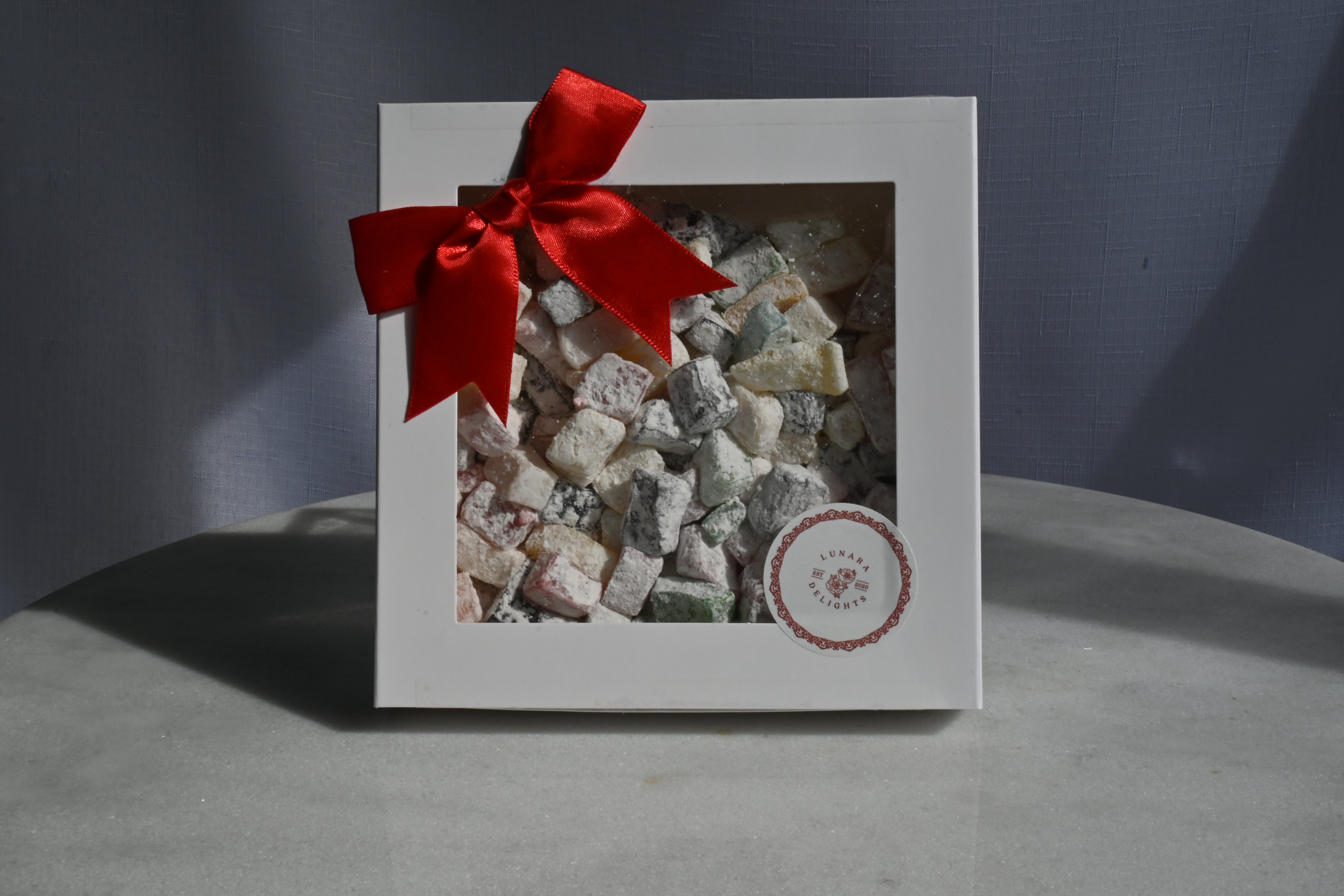
The Sweet Story Behind Turkish Delight: A Taste of Tradition
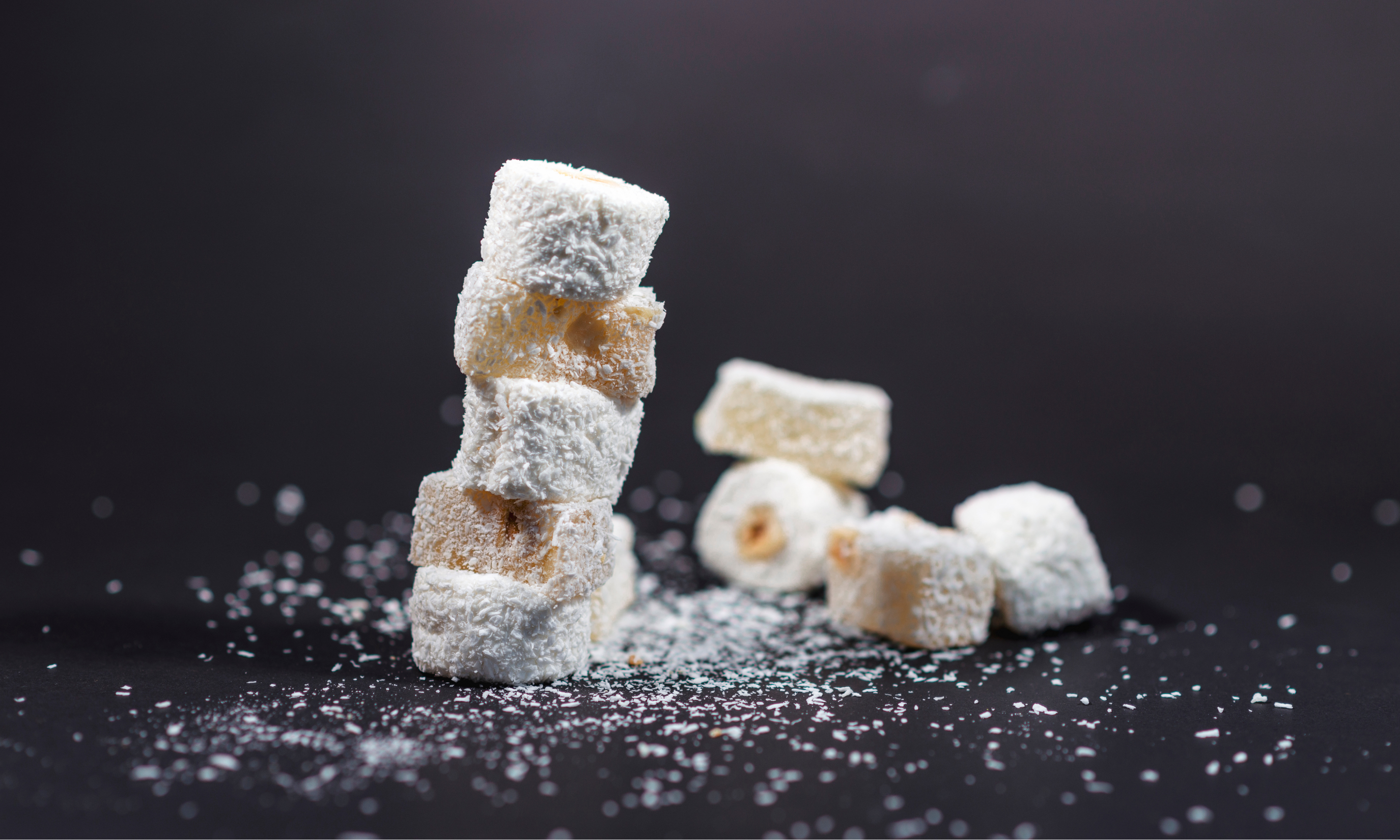
Turkish delight, or lokum as it’s called in Turkey, is much more than just a treat—it’s a journey through history, culture, and craftsmanship. This confection has traveled through centuries, originating from the imperial kitchens of the Ottoman Empire and becoming a beloved snack worldwide. In this article, we explore the origins, cultural significance, and journey of Turkish delight, unraveling the secrets that have made it a timeless delicacy.
The Origins of Turkish Delight
The story of Turkish delight starts in the heart of the Ottoman Empire. Historians trace its creation back to the 15th century, where it was first crafted in the royal kitchens to please the sultans and their court. The original recipe was a closely guarded secret, passed down from generation to generation, until it eventually made its way beyond the palace walls.
Turkish delight’s original name, lokum, comes from the Arabic word rahat, which means comfort or relief. A fitting name, as this sweet treat has been a source of comfort for many across the centuries. Made from a mixture of sugar, water, and starch, the treat’s soft, chewy texture became an instant favorite.
Over time, the treat was infused with flavors such as rosewater, orange, and lemon. But it was the addition of nuts and other ingredients that elevated Turkish delight, transforming it from a simple sweet to a symbol of luxury and indulgence.
The Making of Turkish Delight: A Delicate Process

Creating Turkish delight is an art form that requires precision, patience, and skill. The process begins with boiling sugar and starch into a thick syrup, which is then cooled to create a jelly-like consistency. Natural flavors, like rosewater or fruit essences, are added to give it the signature aroma.
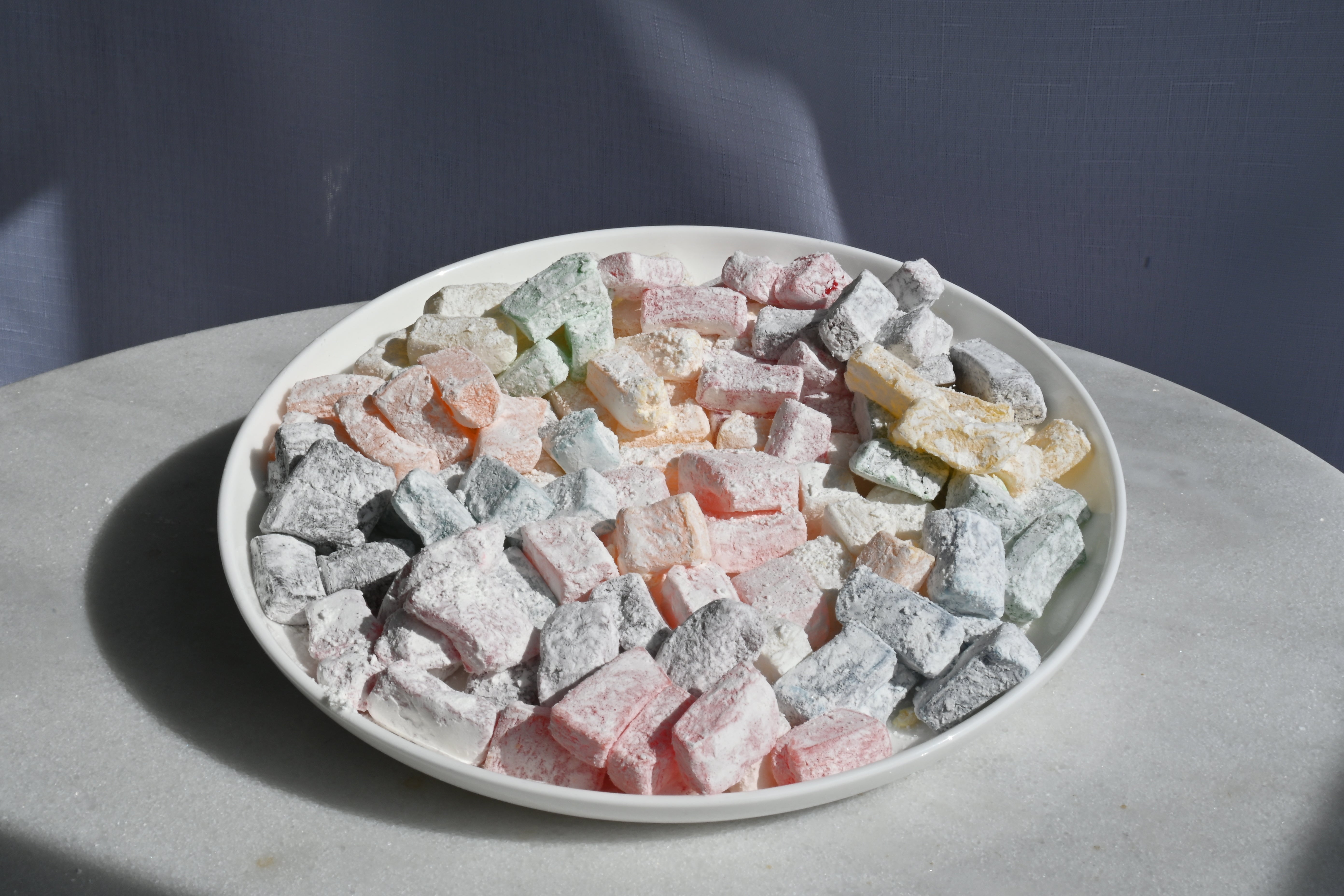
The mixture is poured into trays and left to set, allowing the texture to firm up into the soft, chewy consistency that Turkish delight is known for. It’s then dusted with powdered sugar or copious amounts of cornstarch to keep it from sticking together.
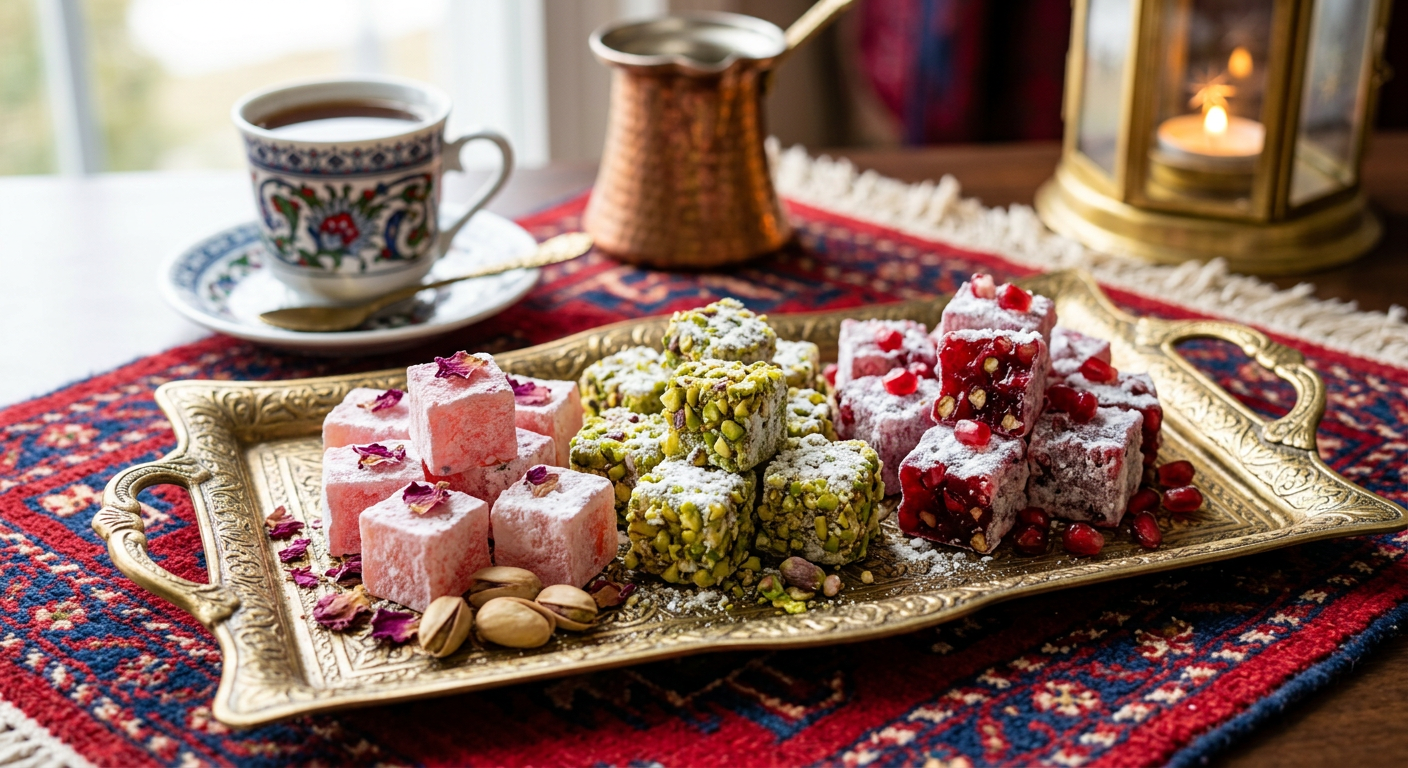
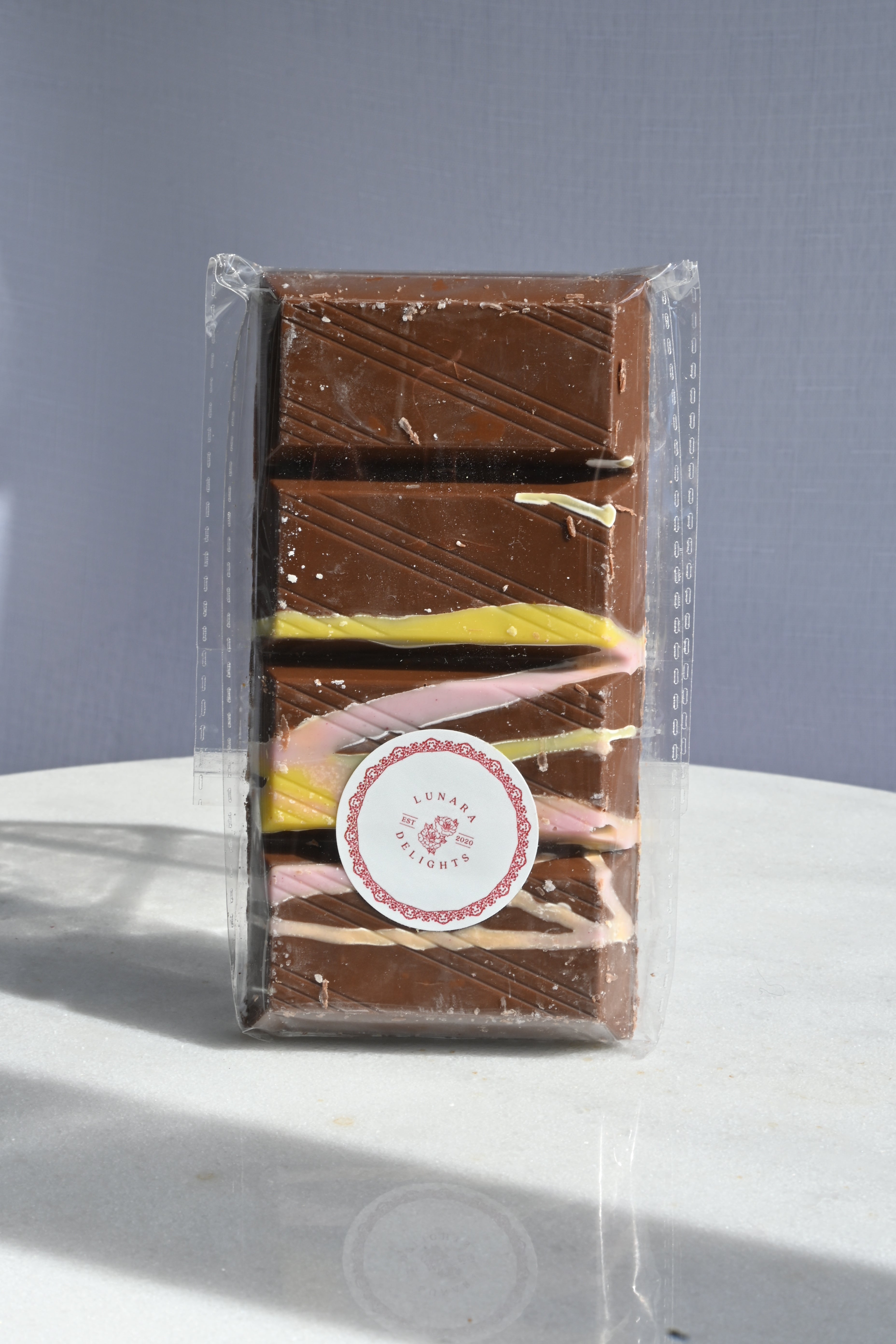
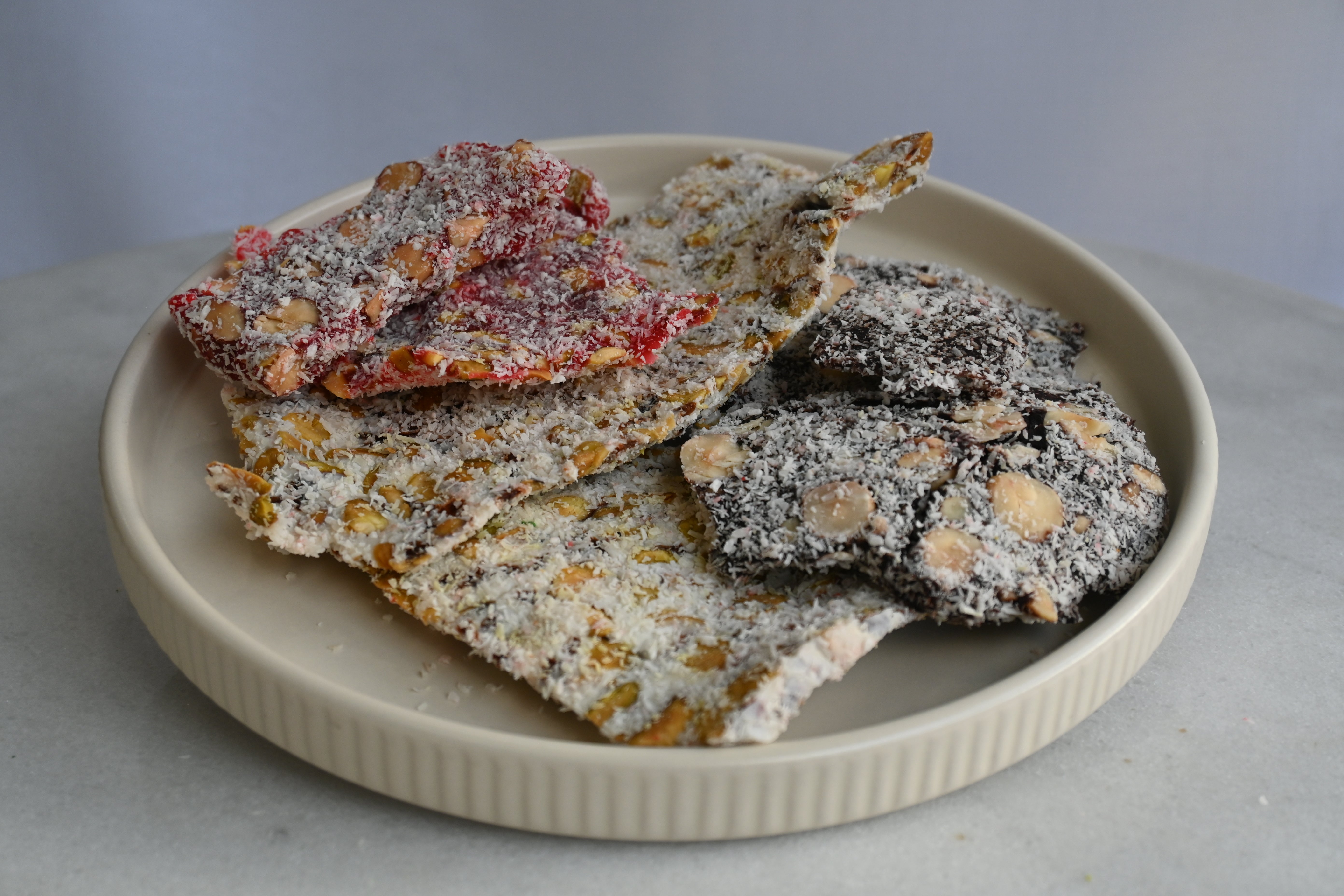
As the years have gone by, variations in the recipe have emerged, incorporating different flavorings, nuts, and even chocolates. Some modern versions also feature fruit fillings and edible flowers, continuing the tradition of creativity in Turkish delight-making.
Turkish Delight as a Symbol of Hospitality and Tradition

In Turkey, Turkish delight is far more than a snack—it’s a symbol of hospitality and respect. Offering a guest a piece of lokum is considered a gesture of goodwill, a sign that the host is welcoming and generous.
The tradition of offering Turkish delight dates back to the Ottoman Empire, where it was served to guests as a sign of honor. It’s often accompanied by tea or coffee, making it a delightful pairing during social gatherings. Today, this tradition continues in homes and cafes across Turkey, where Turkish delight remains a beloved part of daily life.
For many, the act of sharing Turkish delight brings people closer together. It’s a sweet treat that symbolizes friendship, good fortune, and warmth, making it a popular choice for weddings, holidays, and special occasions.
The Evolution of Turkish Delight in Global Culture
As the Ottoman Empire expanded its reach, Turkish delight began to find its way to other parts of the world. Traders brought it to Europe, where it quickly gained popularity, particularly in the United Kingdom. In the 19th century, the British began to enjoy Turkish delight as a novelty treat, often gifting it to friends and family during the holidays.
Today, Turkish delight is enjoyed across the globe. From the Middle East to Europe and North America, it has become a go-to snack for those seeking a sweet indulgence. The appeal of Turkish delight lies in its ability to offer a unique, exotic taste while remaining rooted in tradition.
As demand grew, many companies began producing mass-produced versions of Turkish delight. However, traditional, handcrafted varieties still hold a special place in the hearts of connoisseurs. These artisanal delights are made using the same techniques that have been passed down for centuries, preserving the authenticity and richness of the treat.
The Role of Turkish Delight in Turkish Culture and Celebrations
In Turkey, Turkish delight is an integral part of celebrations. From weddings to religious festivals, lokum is present at nearly every special occasion. It’s often offered alongside other sweets, fruits, and nuts, but its unique texture and rich flavor make it the star of the show.
In Turkish folklore, Turkish delight has come to represent more than just a dessert—it embodies the spirit of generosity, hospitality, and joy. Its role in traditional ceremonies and festivals reflects its deep cultural significance.
Even today, in Turkish homes, Turkish delight is a popular gift. It’s a thoughtful present, often beautifully packaged, and is a common offering when visiting friends or family. Its rich history and connection to Turkish culture make it much more than a treat—it’s a cherished symbol of tradition and connection.
The Global Rise of Artisanal Turkish Delight
In recent years, the global interest in artisanal and high-quality products has led to a resurgence in the popularity of handcrafted Turkish delight. With a focus on natural ingredients, careful preparation, and unique flavor combinations, many brands have dedicated themselves to reviving traditional methods of production.
At Lunara Delights, we take great pride in continuing this tradition. Our Turkish delight is made using time-honored techniques passed down through generations, ensuring that each piece reflects the authenticity and craftsmanship that have made this treat famous worldwide.
The Sweet Taste of Tradition at Your Fingertips

Turkish delight is not just a confection—it’s a journey through history, a story of craftsmanship, and a symbol of hospitality. Whether you’re enjoying it for the first time or savoring a familiar favorite, each piece offers a taste of Turkey’s rich cultural heritage.
If you’re looking for the best Turkish delight, look no further than Lunara Delights. With our wide range of traditional flavors and modern twists, we offer a truly authentic taste of Turkish delight. Discover our collection today and experience the sweet taste of tradition.