Why Turkish Delight Is Perfect for Every Occasion
Turkish delight, or lokum as it’s called in Turkey, is much more than just a treat—it’s a journey through history, culture, and craftsmanship. This confection has traveled through centuries, originating from the imperial kitchens of the Ottoman Empire and becoming a beloved snack worldwide. In this article, we explore the origins, cultural significance, and journey of Turkish delight, unraveling the secrets that have made it a timeless delicacy.
The Origins of Turkish Delight
The story of Turkish delight starts in the heart of the Ottoman Empire. Historians trace its creation back to the 15th century, where it was first crafted in the royal kitchens to please the sultans and their court. The original recipe was a closely guarded secret, passed down from generation to generation, until it eventually made its way beyond the palace walls.
Turkish delight’s original name, lokum, comes from the Arabic word rahat, which means comfort or relief. A fitting name, as this sweet treat has been a source of comfort for many across the centuries. Made from a mixture of sugar, water, and starch, the treat’s soft, chewy texture became an instant favorite.
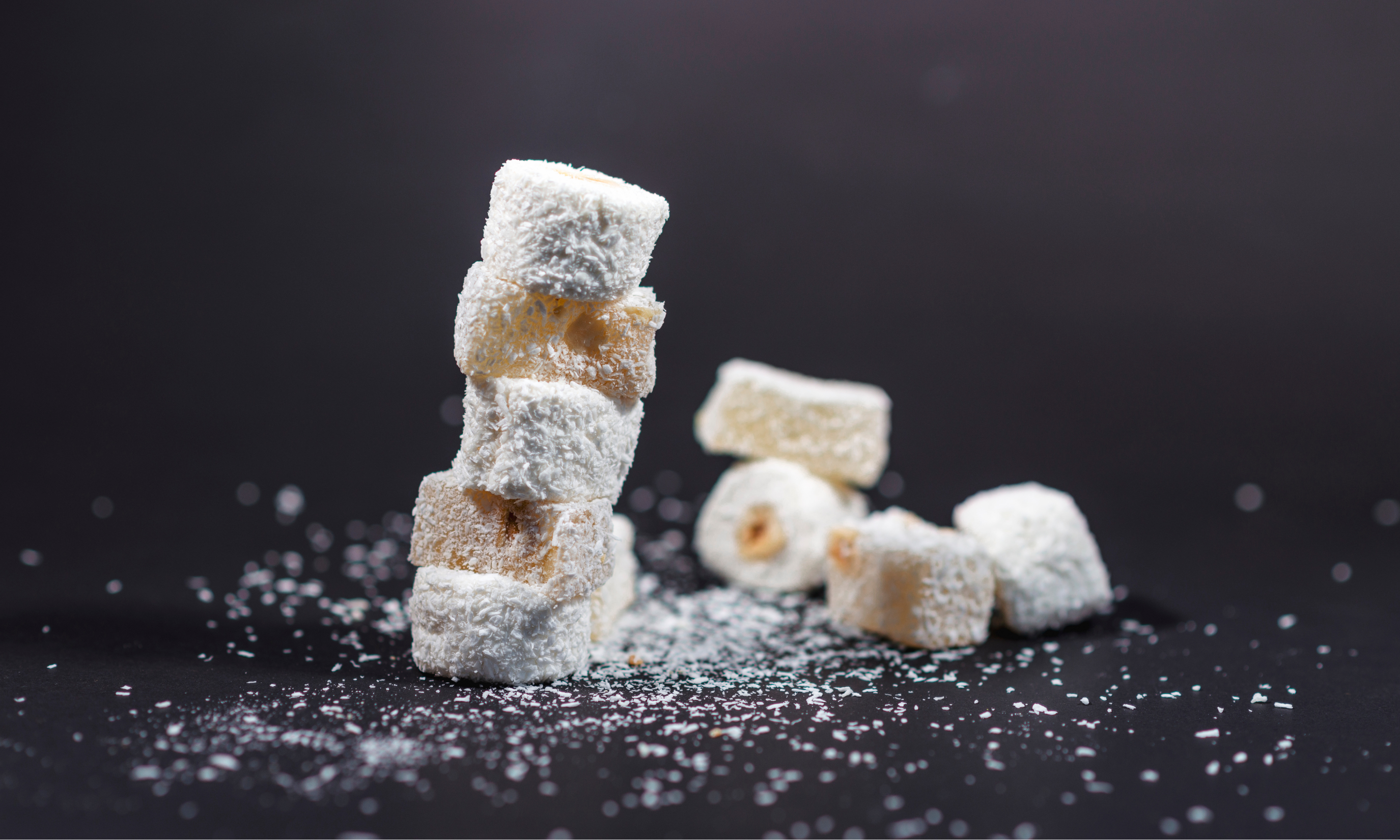
Over time, the treat was infused with flavors such as rosewater, orange, and lemon. But it was the addition of nuts and other ingredients that elevated Turkish delight, transforming it from a simple sweet to a symbol of luxury and indulgence.
The Making of Turkish Delight: A Delicate Process
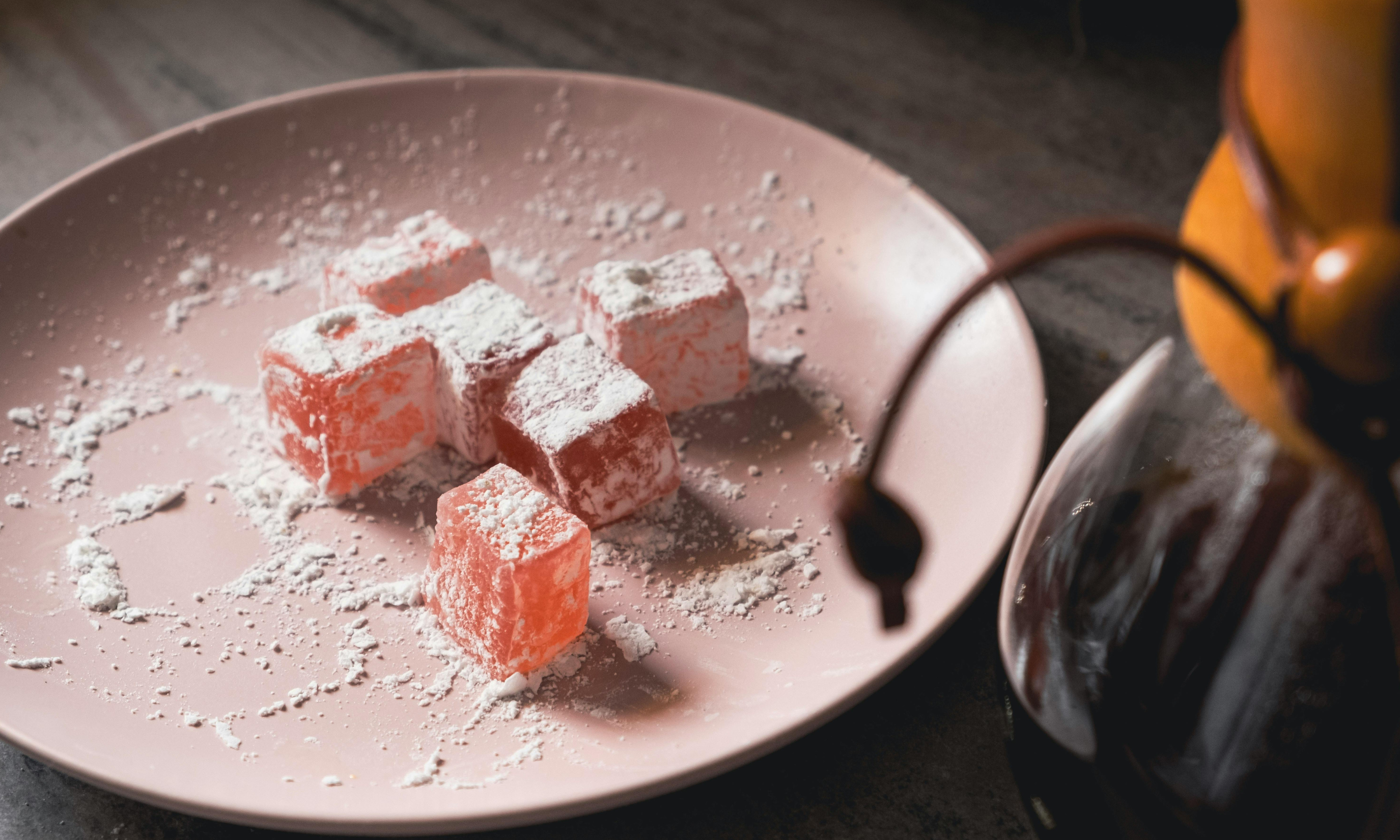
Turkish Delight isn't just candy. It's a 500-year-old tradition wrapped in powdered sugar, and honestly, once you understand its cultural significance, you'll never look at those soft, jewel-toned cubes the same way again. Whether you're celebrating Eid, attending a wedding, or just craving something that soothes your throat and your soul, lokum—the Turkish name for this confection—delivers every single time.
The global Turkish delight market is expected to reach $500 million by 2025, with a compound annual growth rate of 5%. This growth is driven by rising demand for indulgent treats, the popularity of Mediterranean cuisine, and the increasing availability of Turkish delight in mainstream retail channels. But numbers don't tell the whole story. What makes this treat genuinely special is how it bridges ancient tradition with modern tastes.
What Exactly Is Lokum and Why Does It Matter?
Let me explain something most people miss. The word lokum derives from the Arabic phrase rāḥatu'l-ḥulḳūm meaning 'comfort of the throat'. That's not just a poetic name—it reflects centuries of Middle Eastern tradition where this candy was believed to have soothing properties. Think about it this way: people weren't just eating lokum because it tasted good. They turned to it for actual physical comfort.
Here's the thing about authentic Turkish Delight. It's made from starch and sugar, boiled to precise temperatures, then flavored with everything from rosewater to pomegranate. The process requires patience—sometimes up to six hours of constant stirring. And that patience shows in every bite. The texture is simultaneously chewy and soft, melting on your tongue while delivering intense flavor that lingers.
Most authentic lokum is inherently vegan, relying on corn or wheat starch rather than animal-derived gelatin. This makes it naturally inclusive for various dietary preferences, something that's becoming increasingly important in today's confectionery market. Manufacturers are developing vegan and gluten-free Turkish delight to cater to a broader audience, gaining traction among health-conscious consumers and those with dietary restrictions.
The Cultural Weight of Turkish Delight Gift Boxes

In Turkey, lokum is a staple during festive occasions such as weddings, where it symbolizes sweetness and prosperity in the couples' life together. During religious festivals like Eid al-Fitr and Eid al-Adha, it is exchanged as gifts among family and friends. This tradition runs deep—refusing Turkish Delight when offered is considered somewhat rude in Turkish culture.
Why does this matter? Because when you give someone a Turkish Delight gift box, you're not just handing them candy. You're participating in a gesture that carries centuries of meaning.
To attract upscale customers, brands are investing in premium packaging designs that convey luxury and sophistication. Elegant boxes, gold foil wrapping, and personalized gift sets are becoming increasingly common in the Turkish delight market. Walk into any high-end confectionery shop in Istanbul, and you'll see boxes that rival jewelry packaging in their craftsmanship.
Turkish Delight for Ramadan and Eid

During Ramadan, families break their fast with dates and water—but Turkish Delight often appears immediately after. The sugar provides quick energy after a long day of fasting, and the traditional flavors connect people to their heritage. When Eid arrives, gift boxes of lokum flow between households like a sweet currency of affection.
My experience watching this tradition unfold is that it's less about the candy itself and more about the ritual. Grandmothers present carefully selected boxes to their grandchildren. Neighbors exchange flavors they know each other loves. The act of giving Turkish Delight becomes a language of its own.
How Turkish Delight Varieties Have Evolved

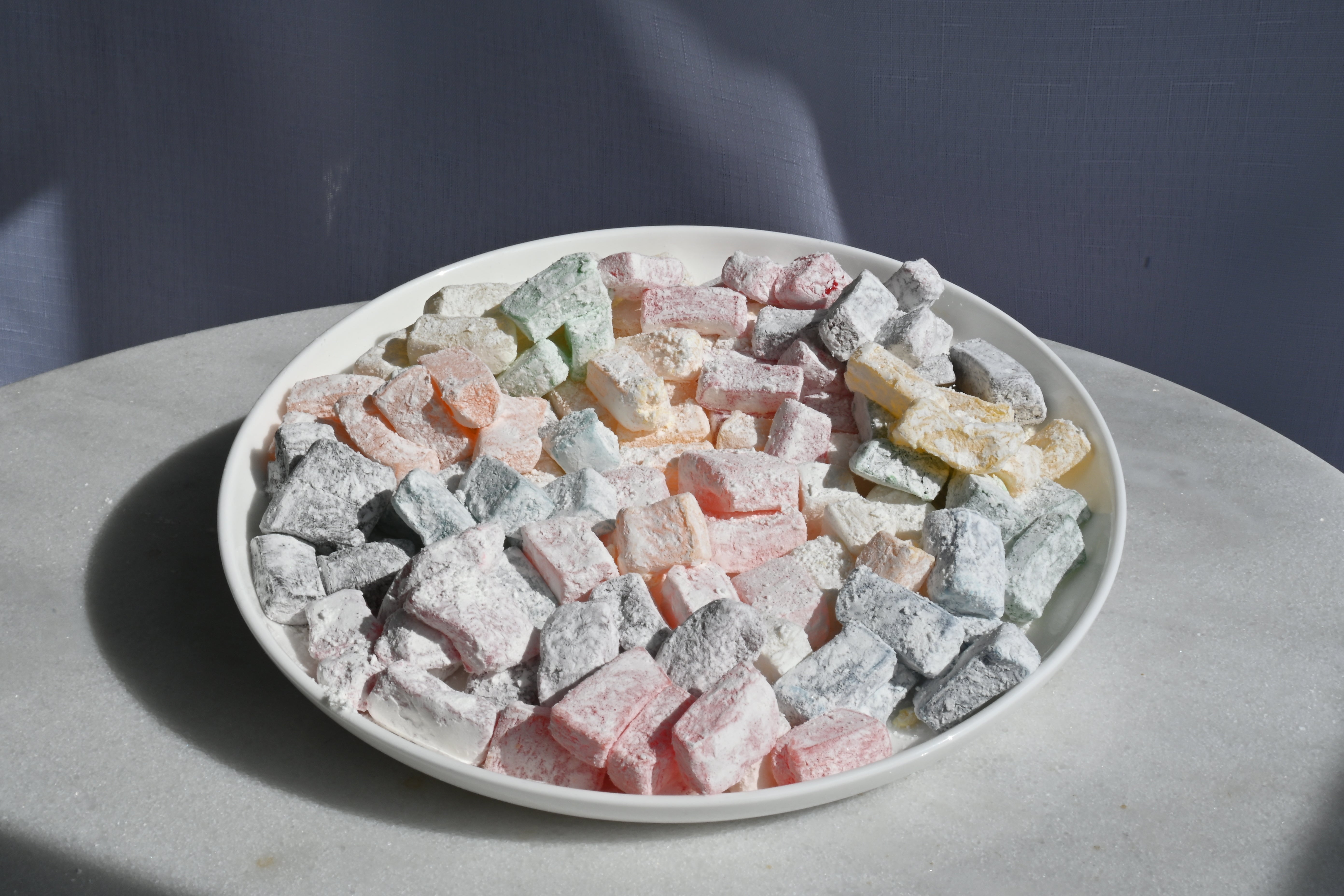
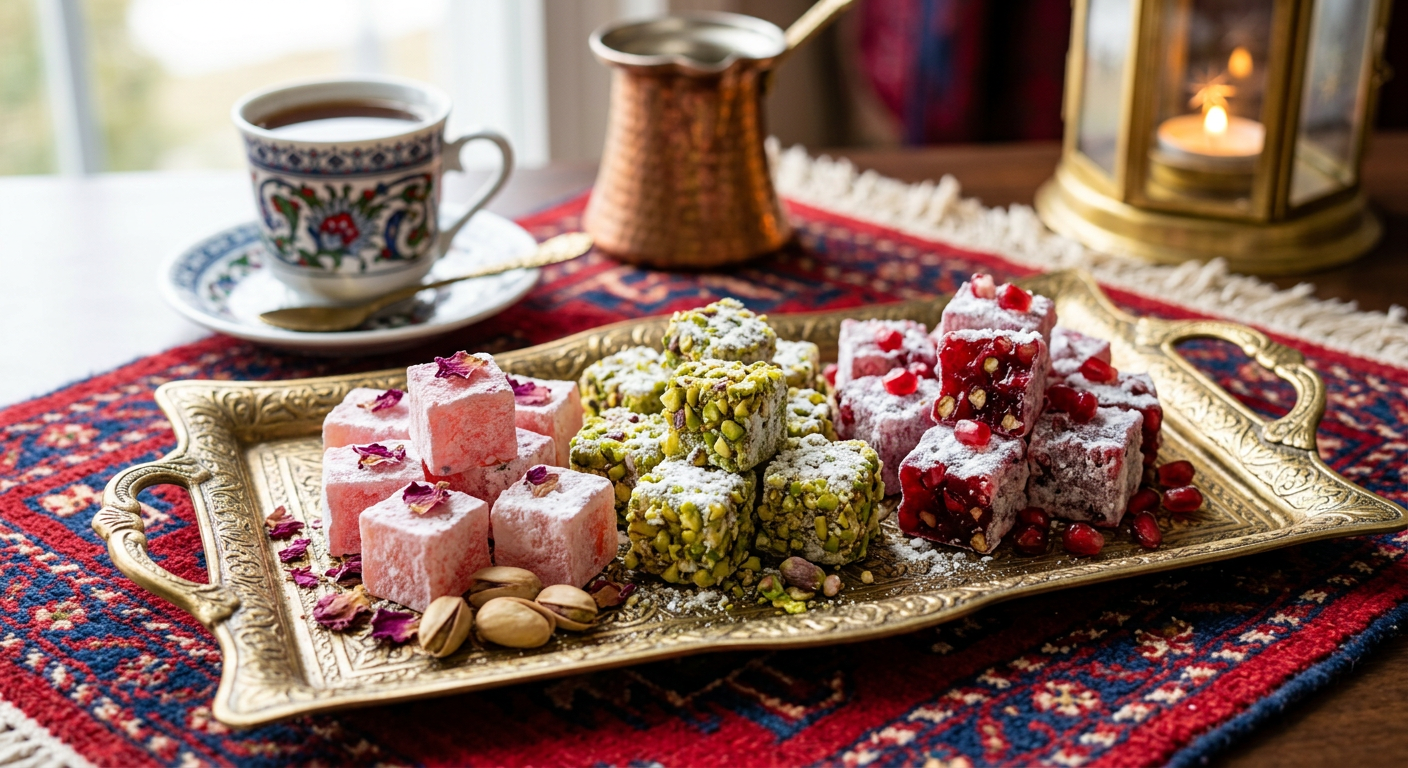
Traditional flavors remain popular—rosewater, lemon, orange, and mint. But here's where things get interesting. Varieties such as pistachio, pomegranate, and lavender are gaining popularity among confectionery enthusiasts. Fusion adaptations are gaining traction through tourism, as visitors encounter lokum in innovative forms like matcha-infused or chili-spiced editions.
Let me break down the most popular varieties:
-
Rosewater: The classic. Delicate, floral, and instantly recognizable as traditional lokum
-
Pistachio: Studded with whole nuts, offering textural contrast and rich flavor
-
Pomegranate: Tart and sweet, capturing the essence of Mediterranean fruit
-
Orange: Bright and citrusy, bringing a refreshing zing to every bite
-
Passionfruit: Sweet and tropical, with a vibrant flavor that feels modern and playful
And then there are specialty producers who are pushing boundaries even further—think saffron-cardamom, fig-walnut, or even Turkish coffee-flavored lokum. The possibilities seem endless once you understand the basic technique.
Why Flavor Innovation Matters
Now you might wonder: why mess with tradition? Because food evolves. The Turkish Delight your great-grandmother ate was probably different from what her great-grandmother enjoyed. Each generation adds something new while respecting what came before. This balance between tradition and innovation is what keeps lokum relevant across centuries.
How to Make Turkish Delight at Home (And Why You Should Try)

Here's what surprises most people: making Turkish Delight at home is actually doable. Difficult? Yes. Impossible? Not at all. With the help of food science, authentic Turkish delight recipes are as close to foolproof as a confectionery recipe can get. Perfectly chewy and sweet, lokum is traditionally vegan and gluten-free when made properly.
The basic process involves mixing sugar, water, and cornstarch, then cooking the mixture to exactly 240°F (115°C). Too hot, and your lokum becomes hard. Too cool, and it won't set properly. You'll need a candy thermometer—this isn't the time for guesswork. After reaching the right temperature, you add flavorings and continue stirring for hours. Yes, hours. This is meditative work, not quick satisfaction.
Essential Equipment and Ingredients
Before you start, gather these items:
- Heavy-bottomed pot (absolutely necessary to prevent burning)
- Candy thermometer that clips to the pot
- Wooden spoon with a long handle
- Square baking pan (8x8 or 9x9 inches)
- Cornstarch for dusting
- Powdered sugar
- Cream of tartar (stabilizes the mixture)
- Your choice of flavorings and colorings
The ingredient list is surprisingly short: sugar, water, cornstarch, cream of tartar, and flavorings. That's it. The magic happens in the technique, not exotic ingredients. This often gets overlooked—people assume Turkish Delight requires special Middle Eastern ingredients, but the core recipe is remarkably simple.
The Step-by-Step Process
First, prepare a sugar syrup by boiling sugar and water with cream of tartar. At the same time, make a cornstarch slurry in a separate pot. Once the syrup reaches the correct temperature, slowly pour it into the cornstarch mixture, stirring continuously to keep the texture smooth and lump-free.
Then comes the marathon: cooking this combined mixture over low heat for 45 minutes to an hour, stirring the entire time. Your arm will get tired. You'll question your life choices. But gradually, the mixture transforms from cloudy and loose to translucent and thick. It's actually beautiful to watch if you're patient enough.
Add your flavorings in the final minutes—rosewater, lemon juice, whatever you're using. Pour into your prepared pan, let it set overnight, then cut into squares and dust generously with a mixture of cornstarch and powdered sugar. The dusting isn't just decorative; it prevents the pieces from sticking together.
Turkish Delight for Weddings and Celebrations

Wedding favors have evolved from simple Jordan almonds to elaborate confections, but Turkish Delight holds a special place in ceremony traditions. In Turkish weddings, lokum is often distributed to guests in small decorative boxes, sometimes with the couple's names embossed on the packaging. The symbolism is clear: may your life together be as sweet as these delights.
But it's not just Turkish weddings. Couples around the world are discovering that Turkish Delight makes a sophisticated alternative to generic favors. The presentation options are endless—small pouches tied with silk ribbon, miniature wooden boxes, and clear bags showcasing colorful varieties. Each option communicates thoughtfulness and cultural appreciation.
Beyond Weddings: Birthday Parties and Corporate Gifts
Think about it this way: what do most people give as corporate gifts? Chocolate, wine, and generic gift baskets. Now imagine receiving an elegantly packaged box of artisan Turkish Delight instead. It's unexpected. It's memorable. It signals that the giver put actual thought into their selection.
For children's birthday parties, Turkish Delight offers a refreshing alternative to candy bags filled with artificial colors and corn syrup. Yes, lokum contains sugar—it's candy, after all. But it's made with recognizable ingredients and often natural flavorings. Parents appreciate this distinction even if kids just think it tastes good.
The Health Perspective: What You Need to Know
Let's be honest about something: Turkish Delight is not a healthy food. It's sugar and starch, designed for pleasure rather than nutrition. But here's what often gets missed in discussions about sweets—not all indulgences are created equal.
It's free from preservatives in most artisan preparations. And because it's so intensely sweet and flavorful, a small piece satisfies in a way that mass-produced candy often doesn't. You eat one or two cubes and feel content rather than reaching for the whole box.
The vegan aspect matters here too. As more people reduce animal products in their diets, finding indulgent treats that align with those values becomes important. Turkish Delight fills that niche perfectly—it's been accidentally vegan for centuries before anyone coined that term.
Portion Control and Mindful Eating
In Turkish culture, lokum is typically served with strong Turkish coffee or tea. This pairing isn't random—the bitter coffee balances the sweet candy, and the ritual of sitting down to enjoy both encourages slower, more mindful consumption. You're not mindlessly snacking while scrolling your phone. You're experiencing the treat.
This is often overlooked in Western approaches to sweets. We tend to eat candy on the go, barely tasting it. Turkish tradition suggests a different approach: small amounts, savored slowly, as part of a social ritual. The treat becomes an event rather than just calories.
Where to Buy Turkish Delight (And What to Look For)

Not all Turkish Delight is created equal. Mass-produced versions often use artificial flavors and add gelatin to extend shelf life, which compromises both the vegan nature and the authentic texture. When shopping, check the ingredient list. You want to see: sugar, cornstarch, water, and natural flavorings. That's it.
Look for brands that use traditional copper pots in their production—this detail matters more than you'd think. Copper conducts heat evenly, preventing the hot spots that can burn the delicate sugar mixture. Many artisan producers proudly mention their copper pot methods because they know it signals quality.
Online Versus Local Specialty Shops
Online shopping offers variety and convenience, especially if you don't live near Turkish or Middle Eastern markets. But purchasing from local specialty shops when possible supports small businesses and often guarantees fresher products. Lokum doesn't spoil quickly, but like all confections, it's best within a few months of production.
When ordering online, pay attention to shipping methods during warm months. Turkish Delight can get sticky in heat, so reputable sellers use insulated packaging with ice packs during summer shipping. If a vendor doesn't mention their warm-weather shipping protocols, that's a red flag.
FAQ: Everything Else You Need to Know
How Long Does Turkish Delight Last?
Stored properly in an airtight container at room temperature, Turkish Delight lasts up to six months. The key is preventing moisture exposure, which affects the texture. Keep the pieces dusted with powdered sugar and cornstarch mixture in cool dark place like kitchen pantry’s, and don't refrigerate—cold temperatures actually damage the texture.
Can I Make Sugar-Free Turkish Delight?
Technically, yes, but it requires specialized ingredients like isomalt or erythritol, and the results won't quite match traditional lokum. Sugar isn't just sweetness in this recipe—it's also structure. Substitutes change the texture in ways that some people find acceptable and others find disappointing. My experience is that if you're going to indulge, indulge in the real thing occasionally rather than compromising with substitutes.
What's the Difference Between Turkish Delight and Other Chewy Candies?
Lokum uses starch as its setting agent, while most Western chewy candies rely on gelatin or pectin. This creates a unique texture that's denser and more substantial than gummy bears but softer than gumdrops. The starch-based approach also means lokum has a slight powdery coating even after the dusting is eaten, which contributes to its distinctive mouthfeel.
Is Turkish Delight Gluten-Free?
Most Turkish Delight is naturally gluten-free when made with cornstarch. However, some recipes use wheat starch, so check with the manufacturer if gluten is a concern. Cross-contamination can also occur in facilities that process wheat products, so those with celiac disease should look for certified gluten-free versions.
Why Is It Called Turkish Delight in English?
The name caught on in English-speaking countries after a British traveler encountered the candy in Istanbul in the 19th century and brought samples back to Britain. The exotic name "Turkish Delight" sounded more marketable than lokum, and it stuck. The candy gained further fame in Western culture through C.S. Lewis's The Chronicles of Narnia, where it plays a pivotal plot role.
The Final Word on Lokum's Versatility
What makes Turkish Delight genuinely perfect for every occasion isn't just its taste or its cultural significance—it's the way it adapts to different contexts while remaining essentially itself. At a formal wedding, presented in gold foil, it's sophisticated elegance. During Ramadan, shared among family.. Made at home on a rainy afternoon, it's a connection to centuries of culinary craft.